
Your Stargazing Journey Begins Here
Equipment With Stories
Not every piece of gear earns a story. Some telescopes and accessories are just tools. But some become more than that — they mark milestones, unlock new passions, or hold memories of breakthrough moments under the stars. The equipment featured below represents key chapters in my astronomy journey: from first views that sparked a lifelong obsession, to the scopes that helped me achieve personal goals, to the gear that's been there for the most memorable outreach nights. These are the pieces that shaped who I am as an astronomer.
Kmart Focal 30mm Zoom Hand Telescope
The first one. A 10x-30x spyglass that went everywhere a kid could think to point it — birds, airplanes, bowling night moons — and never once complained about the job.
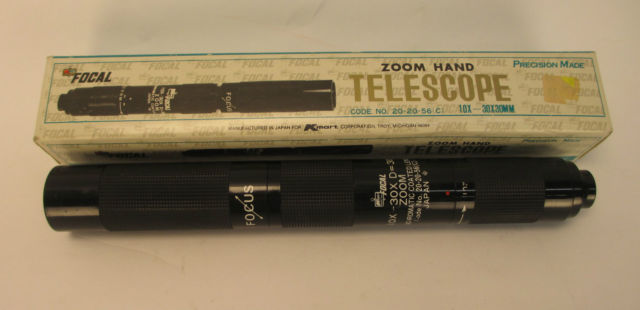
Every astronomer has a first telescope. This was mine. A Kmart Focal zoom hand telescope, 10x-30x, 30mm objective, manufactured in Japan and sold for a price my allowance could eventually reach. It came in a box that said "Precision Made," which was optimistic but not entirely wrong — it has outlasted several cars, two houses, and most of the excuses I've made over the years for not going outside to observe.
I carried it everywhere. My parents bowled in a league, and my brother and I would tag along for the nights. On the ride home, I'd press that little spyglass against the car window and train it on whatever the passing sky had to offer — a crescent moon over the roofline, an airplane blinking its way across the dark, a bird that had no idea it was being studied. It wasn't astronomy in any formal sense. It was just a kid who couldn't stop looking.
It never got a name. It didn't occur to me to name telescopes back then. But it earned its place in the history of my astronomy journey — it gave me my first view of craters on the lunar surface, and my first glimpse of four tiny points of light arranged around Jupiter that turned out to be worlds in their own right. Thirty millimeters of Japanese glass, and suddenly the universe was no longer abstract. It's still here, which is more than can be said for its box.
These days it lives a second life as a solar projection rig — mounted via spring clip to a long thin board, with a piece of white cardboard at the other end to catch the sun's image. The same scope that once revealed lunar craters through a car window now projects the sun's disk onto a card, quiet and useful and entirely uncomplaining. Still working. Still pointing at something worth seeing.
KMART FOCAL 60mm REFRACTOR (Dinkmaster)The yard-sale refractor that proved you don't need fancy gear to chase deep-sky objects. I logged half the Messier catalog with this little scope and learned to DIY everything from eyepieces to mounts.

This telescope was purchased fairly cheaply at a yard sale many years ago. It came with the standard shaky wooden tripod, a 0.965" focuser, a prism star diagonal, 2X barlow lens, and 20mm Huygen eyepiece. It wasn't much, but it was a definite improvement from my previous telescope, a 40mm 10X-50X Zoom refractor.
Until a couple of years ago, I had pretty much just used it for viewing the Moon, the Sun (properly filtered, of course), the Orion Nebula, and a few doubles and open clusters. I could also make out the rings around Saturn, and a couple of bands on Jupiter, as well as its four main moons. It only received occasional use until a few years ago, when the comet Hale-Bopp renewed my interest in observing.
After that, I started doing a lot of internet research about astronomy, such as joining newsgroups, visiting astronomy websites, etc. I learned a lot, and before long, I had enough confidence to try my luck at finding other objects. Soon I had embarked on a quest to track down as many Messier (and other) objects that I could with my little telescope.
Almost the entire time I was using the DinkMaster, I knew I wanted something better. But I also realized that the only bad scope is the one you never use—so instead of waiting and wishing, I decided to see just how far I could push this little refractor. While saving up for a larger telescope, I made several improvements to the DinkMaster. I found a really good eBay deal on a set of Vixen eyepieces and an Orion 2X barlow. These gave fairly sharp views, and allowed me to see the Cassini Division amongst Saturn's rings for the first time, as well as a couple of tighter double stars that had previously eluded me.
My confidence boosted, I later upgraded to a hybrid star diagonal (that fits in a 0.965" focuser and accepts 1.25" eyepieces) and a 10mm Plossl (1.25") eyepiece. I couldn't believe how much better the Plossl was than my other eyepieces. Soon, I found myself using mainly my homemade 20mm eyepiece (made from parts from an old pair of binoculars, I picked this up in the Vixen eyepiece deal) for wide-angle views and the 10mm Plossl for high-power views. In fact, I left the 20mm in the original diagonal and the 10mm in the hybrid diagonal, and then just swapped diagonals to change magnifications.
The do-it-yourself bug bit me not long after that. My worthless finderscope and shaky tripod were depriving me of the full capabilities of my telescope. I picked up a Daisy Electronic Point Sight from Wal-Mart and mounted it on my telescope tube. My starhopping skills increased dramatically with this little wonder. The red dot shows me exactly where the telescope is aimed (after aligning it, of course), and I can keep both eyes open and my glasses on while searching.
With the finderscope taken care of, I concentrated on the tripod. After scouring the internet, I came across several sets of plans for tripods and mounts. Since I'm not much of a carpenter, I settled on a simple tripod with a dobsonian-style mounting. With some scrap lumber I had lying about from a porch project a few years earlier, and a quick trip to the hardware store for a few miscellaneous parts, I was set. The entire project was finished in a weekend.
So how did I come up with the name Dinkmaster for this telescope? A friend of mine had a couple top-of-the-line Starmaster telescopes. I jokingly started calling my small, dinky refractor a Dinkmaster, and the name stuck.
UPDATE: After many years of faithful service, I decided to sell the Dinkmaster to someone who was just getting started in amateur astronomy. My 8" dob was getting most of my time under the stars, and it was a shame to have it just sitting and collecting dust in the garage. I hope it brings the new owner many years of enjoyment, as it did me.
Discovery DHQ-8The 8-inch Dob that turned me from casual observer into serious amateur astronomer. Fourteen years, hundreds of deep-sky objects, my first outreach events, and the scope that showed me what the universe actually looks like.
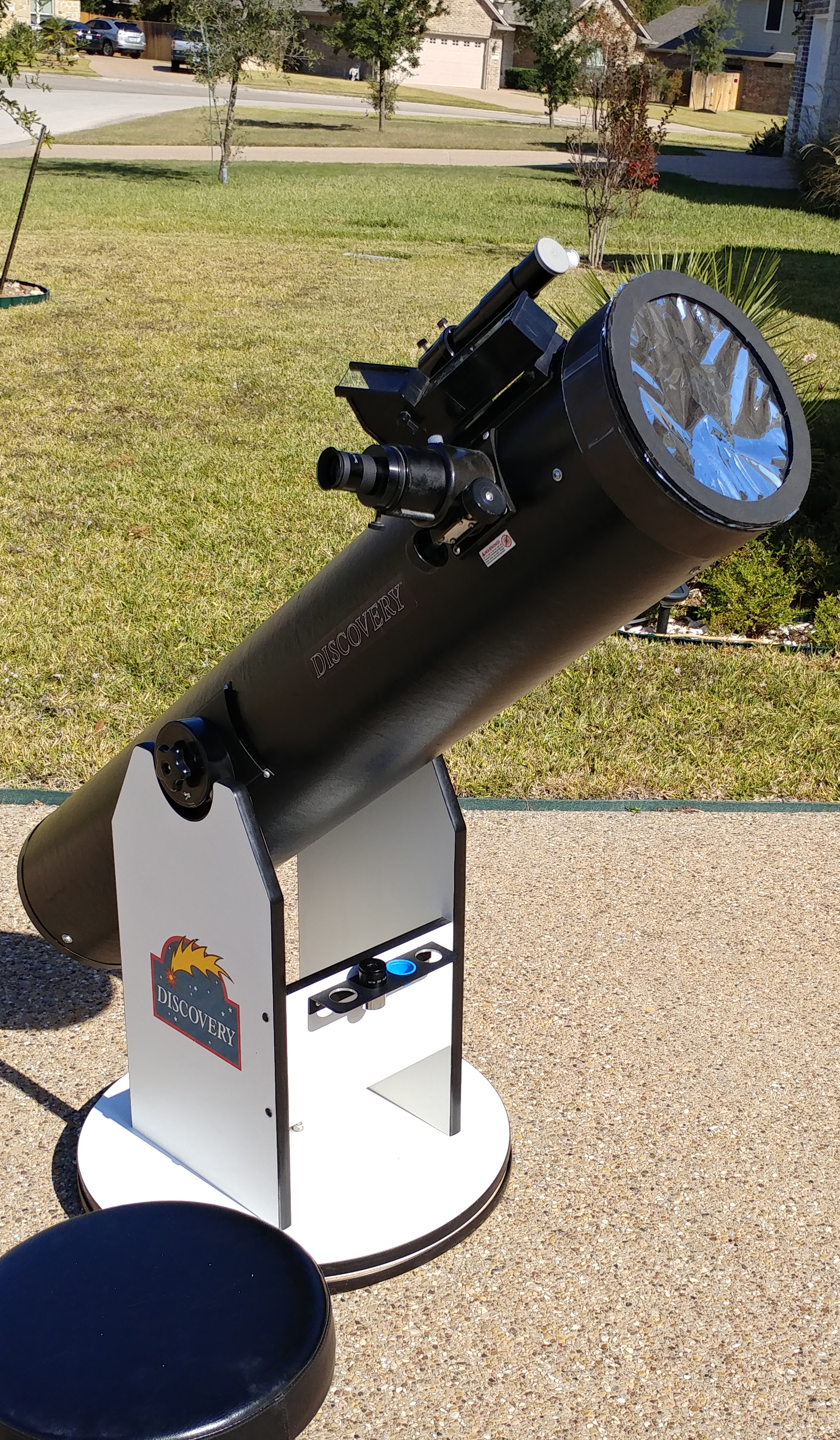
For almost a year, I saved up while the Dinkmaster taught me to starhop. I'd logged half the Messier catalog as faint smudges, but I knew there was more to see. After researching reviews and scouring astronomy newsgroups, I settled on an 8" Dobsonian. The Discovery DHQ-8 arrived April 2, 2001.
Five days later, I had first light.
Jupiter showed two distinct bands and four moons. Saturn's Cassini Division was clearly visible, not a challenging split, just there. The neighbors came over to look. One told me she'd never had the opportunity to look through a telescope before, and was grateful for everything she was able to learn and observe.
That's what this hobby is all about.
A week later came the revelation. M81 and M82 were my first galaxies besides Andromeda. M53 through 8 inches looked like M13 had looked through the 60mm. The Orion Nebula showed four Trapezium stars as crisp pinpoints surrounded by greenish haze. M41 revealed dozens of stars where I'd only seen a handful before.
I thought I'd seen the Messier objects. I hadn't really seen them at all.
I started the list over. All 110 objects, re-observed with the Discovery. What had been faint smudges through the Dinkmaster now had shape, structure, detail. Then I kept going: the Astronomical League's Double Star program, halfway through the Herschel 400.
In August 2003, I organized my first public outreach event: a "Mars Watch" in the Walmart parking lot. About 150 people showed up. One four-year-old kept coming back to look at NGC 457, asking to see "the alien" again and again. When she commented on how big its eyes were, I told her maybe it was wearing glasses like we were. She giggled and came back for another look.
I never once heard a kid say, "Mommy, can we go home now?"
For fourteen years, the Discovery was my workhorse. It showed me hundreds of deep-sky objects: some for the first time, many for the second time with eyes that could finally see them. It introduced me to public outreach and taught me the joy of sharing the sky.
Eventually, I moved to Texas and traded my small-town darkness for big city light-polluted skies. After a few nights struggling to see even bright Messiers, I realized I'd hit the limits of what 8 inches could show me. My wife encouraged me to upgrade. The Discovery sat unused while larger scopes took over.
In 2022, I sold it to an astronomy club member.
It was bittersweet. The optics were incredible, better than some 10-inchers I'd looked through. But I was happy it would find use again with someone else, showing them what the universe actually looks like.
Zhumell Z12 (Zoomie)My first foray into heavy-duty aperture and the scope that survived a child's climb to show me the structure of the universe. It turned "faint fuzzies" into spiral arms and proved that 12 inches of glass is the sweet spot for serious observing.
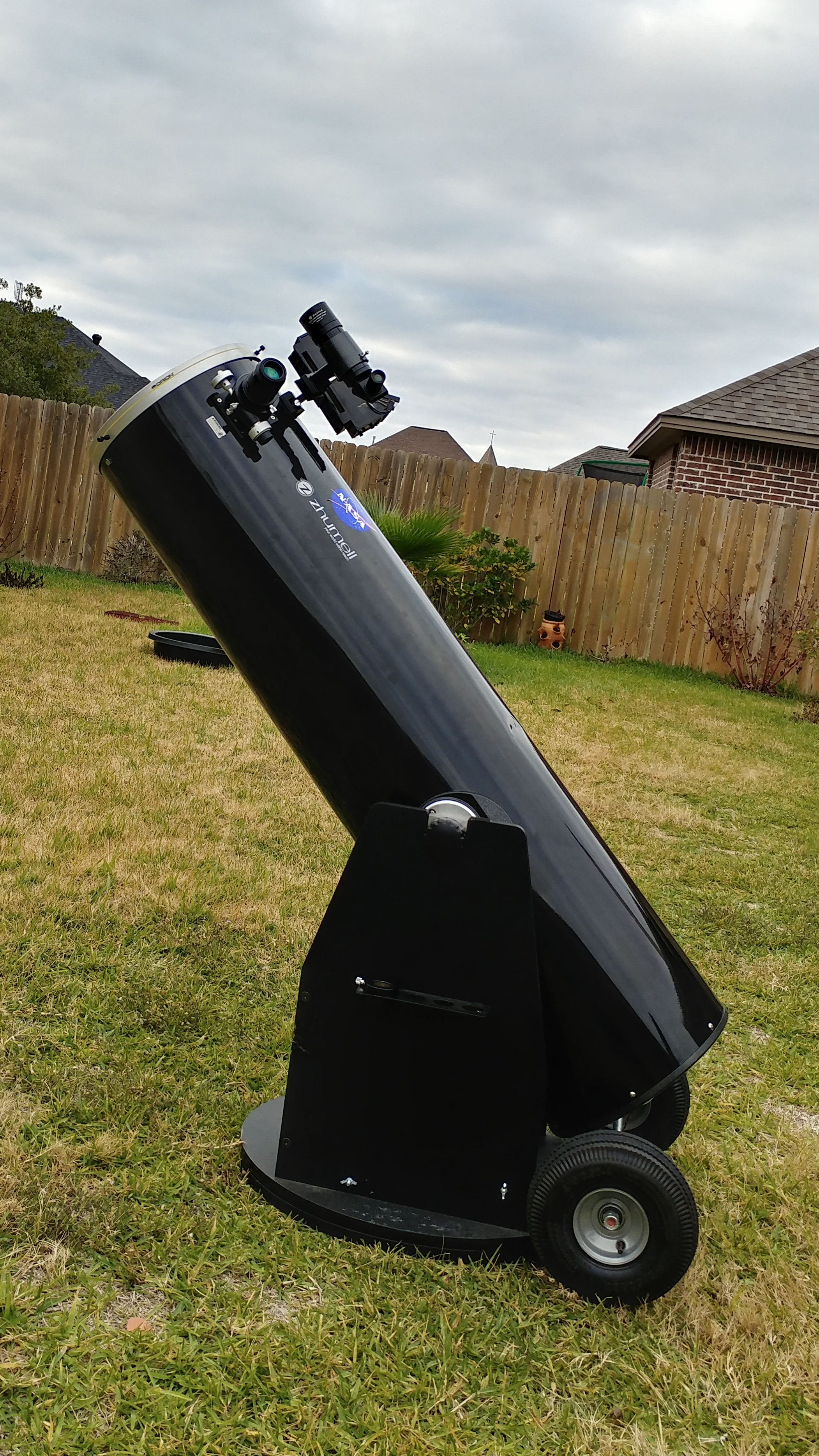
If the Discovery 8-inch was my education, Zoomie was my graduation into the heavy-lifting world of aperture. Moving to a 12-inch Zhumell Dobsonian in 2015 felt like a massive upgrade, but I quickly learned that more light-gathering power comes with a different kind of weight. It wasn't just the physical mass of the 75-pound tube; it was the weight of responsibility that comes when you're trying to show the universe to a line of fifty people using a manual telescope.
For five years, this manual scope was my primary outreach workhorse. It taught me that the Earth rotates much faster than you'd think when you have a line of fifty people waiting for a ten-second look at Saturn. I spent those nights as a human drive motor, constantly nudging the tube to keep objects centered. It was during these long lines that I realized the "Dobsonian Shuffle" was a bottleneck. I wanted to spend more time talking about the stars and less time chasing them.
The physical toll of outreach hit home during an "Early Childhood Carnival" when a toddler decided my eyepiece rack was a step-stool. The sound of the screws snapping out of the wood base was a literal heartbreak. I wasn't upset with the child — he just wanted a better look — but it forced me to realize that successful outreach requires more than just good glass; it requires a setup that lets the astronomer focus on the people instead of the equipment.
But for every broken part, there were nights of incredible reward. At a camp for adults with special needs called Beautiful Abilities, the dark skies finally let Zoomie show off. M51, the Whirlpool Galaxy, was no longer a faint smudge; I could clearly see the spiral arms and the mottling of dust lanes. That night, I used my phone on the eyepiece to help a camper with vision trouble see the planets, a digital bridge that made the universe accessible to her. Before we even pointed at the stars, she had marveled at her own reflection in that massive 12-inch mirror.
By 2020, I realized I'd hit a limit. Zoomie had shown me the structure of the universe, but the manual tracking was slowing down the stories I wanted to tell. When I eventually moved to a tracking 12-inch, it wasn't to avoid the work—it was so I could finally take my hands off the telescope and focus entirely on the person looking through it.
Orion XX12g (Orion)The professional-grade truss-tube that brought observatory quality to the masses — until an electronic failure turned a dream into a heavy manual labor. It taught me that while GoTo is a game-changer for outreach, precision electronics can have a very fragile heart.
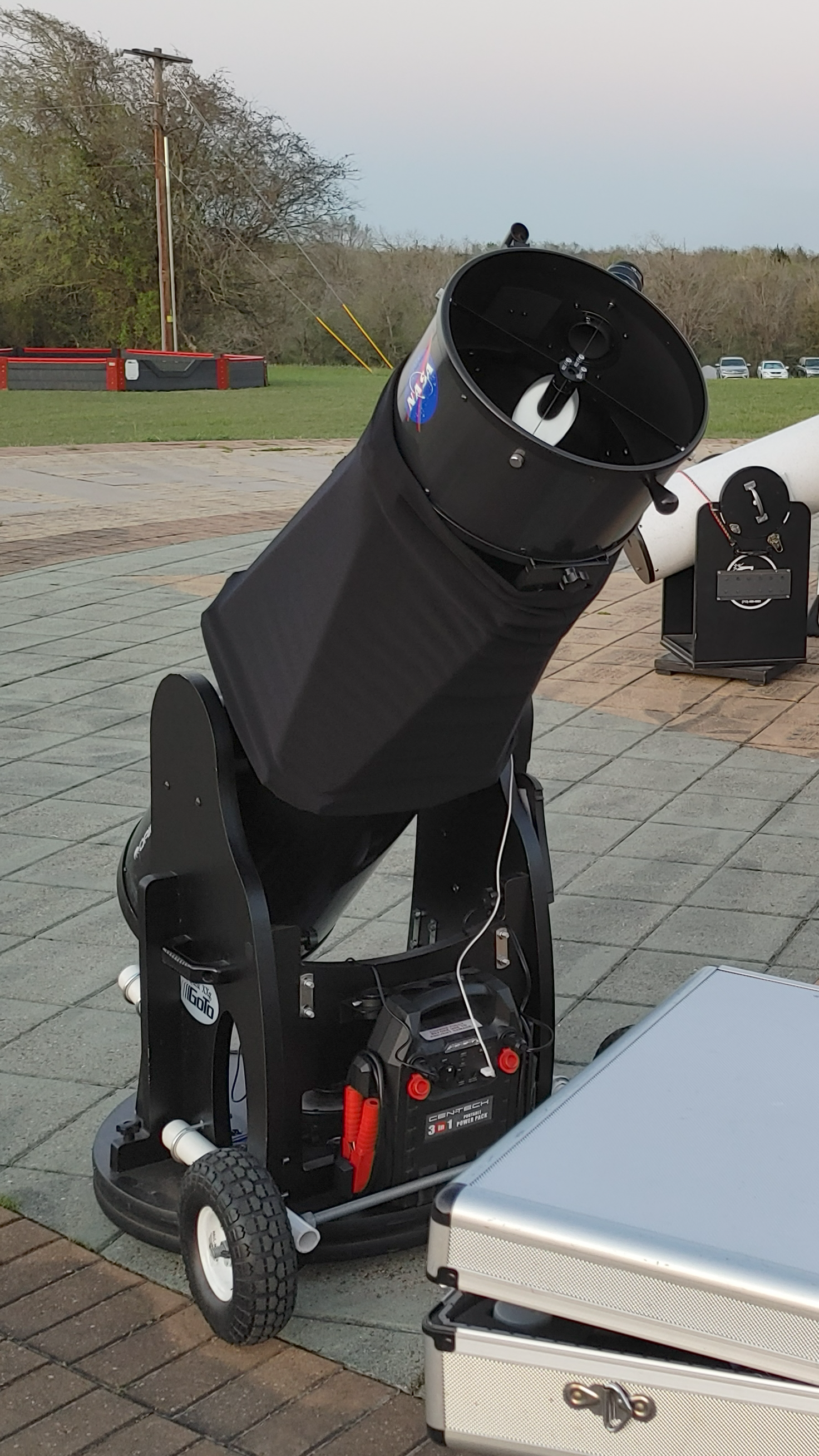
After years of hauling solid tubes, the Orion XX12g felt like I'd finally moved into the big leagues. Its truss-tube design wasn't just about portability; it was about the aesthetic of a serious, observatory-quality instrument. I wasn't just bringing a piece of glass to outreach anymore; I was bringing a precision machine that commanded respect. For a while, the dream was real — the tracking was nearly flawless, and I could finally step away from the tube and focus entirely on the people.
The heartbreak began when I tried to make the "dream" even better. Like a scene out of Tron: Legacy, in my effort to create a "perfect system," I took something that was working and made it imperfect. I wanted to modernize the interface with a Wi-Fi adapter, allowing the scope to talk directly to Stellarium on my phone. I wanted that seamless "point-and-slew" experience. But after a frustrating afternoon of troubleshooting, the machine finally revolted. When I powered it up for a night of observing, the handset gave me the most gut-wrenching error message in astronomy: "No Response - Both Axes."
In an instant, my professional-grade GoTo system was gone. The adapter had fried the motor controllers, and because Orion no longer made the XX12g and had no replacement parts in stock, I was left with a telescope that still looked like an observatory instrument but was now just an extra-heavy manual Dobsonian. The very motors that were supposed to give me freedom were now just dead weight I had to push against.
The XX12g taught me that in high-tech astronomy, complexity is a double-edged sword. It proved how much I valued tracking for outreach, but it also showed me that when a "black box" system fails, you can't always MacGyver your way out of it. It was a crushing end to a beautiful era, but it paved the way for a "New Hope" — a system that could handle the demands of outreach without the fragility.
Sky-Watcher Flextube 300P Synscan (Anakin Skywatcher)
The "Chosen One" that rose from the silicon ashes of a failed system. Built through the support of the community it serves, Anakin combines precision tracking with a rugged presence that has transformed my outreach mission.
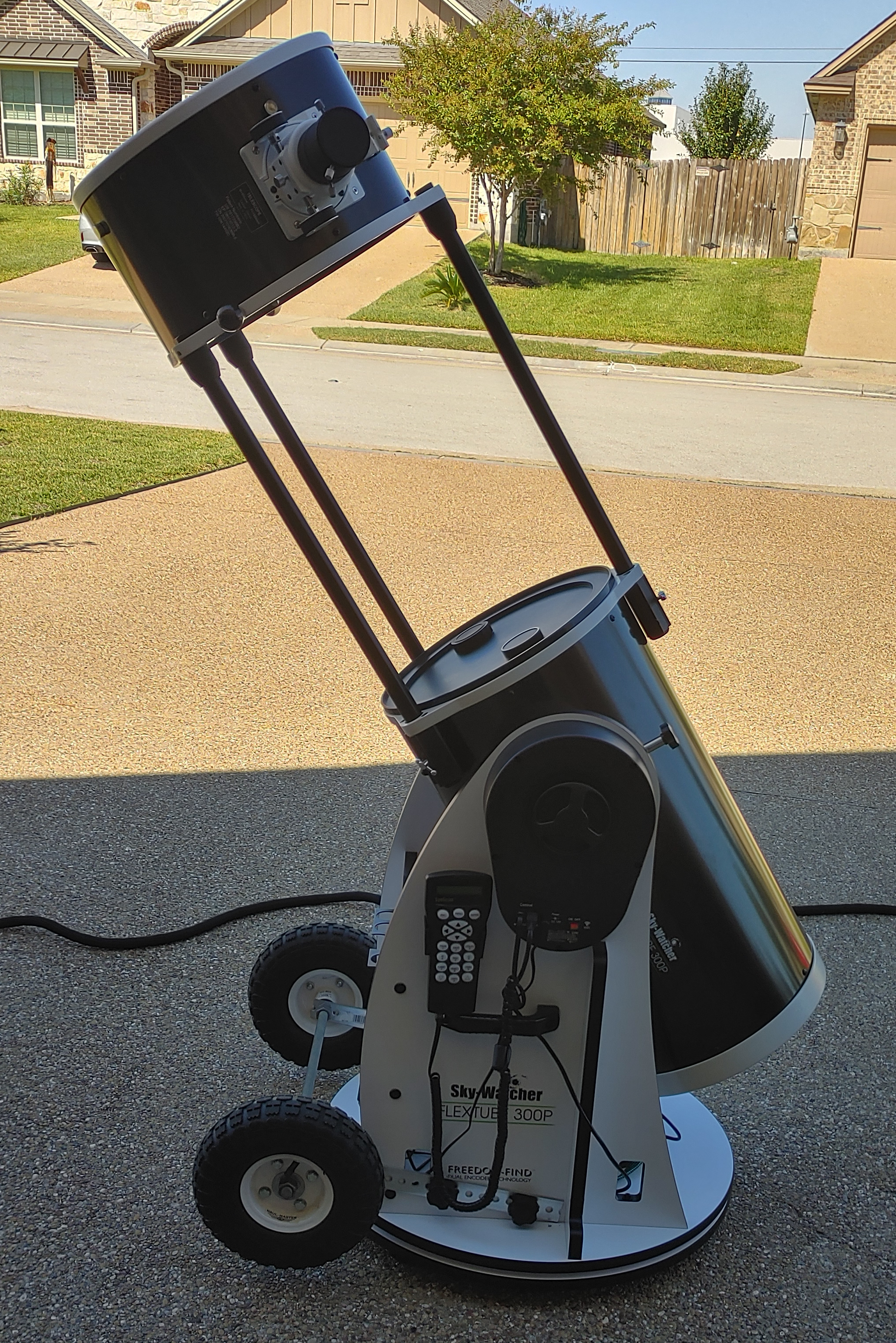
After the electronic failure of the Orion XX12g, I had to return to the manual tracking of my earlier years. I love Zoomie, but once you've tasted the precision of automated tracking, every nudge feels like a reminder of what was lost. My wife suggested reaching out to the community I had served for years to see if they would help me stay "on track." My pride resisted the idea at first, but the response was a lesson in humility I'll never forget.
The campaign to fund a replacement was kickstarted by a staggering act of generosity from a friend who insisted on remaining completely anonymous. They chose to put aside a significant personal project of their own to ensure I could get back to the business of sharing the stars. To this day, they have declined every offer of a private star party, telling me that simply knowing the telescope is out there bringing wonder to others is reward enough. It is a level of grace that still humbles me every time I level the tripod.
Naming the new 12-inch beast required a logical progression. Initially, I wanted to honor Annie Jump Cannon, the astronomer who revolutionized stellar classification. Given the telescope's size and shape, "Annie Cannon" felt appropriate—it is, quite literally, a light cannon. However, my brain quickly made the phonetic leap: "Annie-Can" sounded too much like Anakin to ignore. When I realized the brand name Sky-Watcher was only a syllable away from Skywalker, the identity was sealed. The addition of a red EL wire at the base, glowing like a Sith Lord's lightsaber in the dark, finished the transformation.
Anakin is the redemption of my "Perfect System." The Flextube design is rugged and reliable, giving me back the precision tracking I need to focus on the people in line instead of the equipment in my hands. The red glow at the base acts as a silent sentry, protecting the scope from wandering feet and ensuring that this gift from the community stays safe. Under his cape, with Saturn framed in the reticle, kids learn "the power of the dark sky," and I'm reminded that the universe doesn't just reward effort — it sometimes rewards the courage to ask for help.
So, is Anakin the perfect scope for me? Well, let's just say I don't want to be the one to tell a Sith Lord, "No."
Meade AdventureScope 80 (Icarus)
The refractor that flew too close to the sun — twice — and survived to become Anakin's faithful wide-field companion. It took seven years, a homemade solar filter, and a mythology degree's worth of irony to get here.
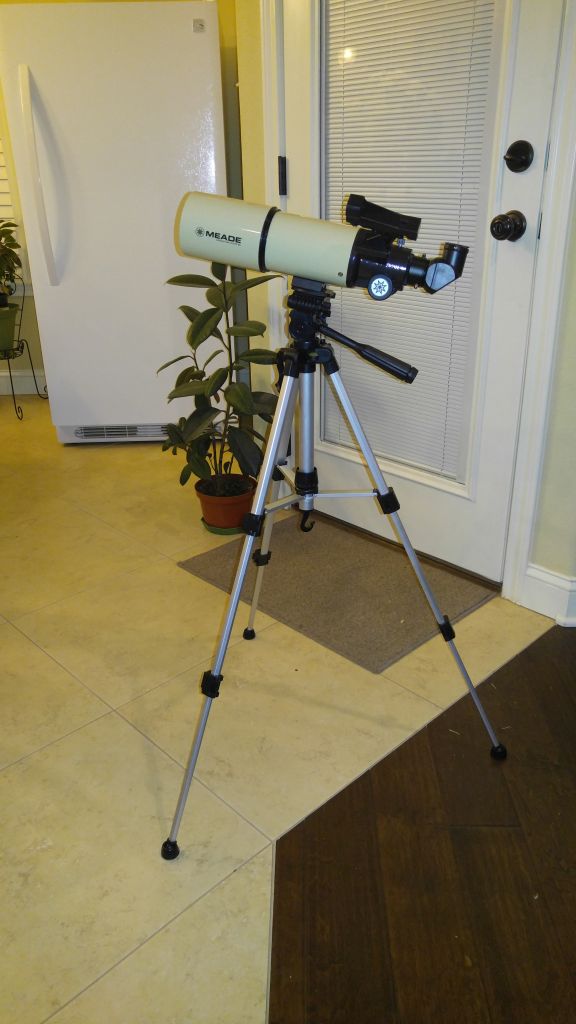
I picked up the AS80 in 2017 out of pure necessity. I was flying 750 miles to catch the total solar eclipse, and my 12-inch Dobsonian wasn't exactly carry-on friendly. The trip ended up being a lesson in cosmic humility. I stood in the path of totality, watched the world go dark, and observed a solid wall of clouds observe me right back. I flew home with a portable telescope that had spent the most important three minutes of its life looking at gray vapor.
It took seven years, but the scope finally got its redemption in Waco for the 2024 eclipse. This time I was determined to get the data. I rigged the AS80 with a planetary camera to record at 20 frames per second — and then made one last-minute decision that undid everything. I swapped in a right-angle prism I hadn't tested with the camera sensor. The sensor was too wide for the prism, and it clipped the edges of every single frame, which I didn't notice until the eclipse was over. I spent several days in Photoshop afterward, painstakingly stitching together pieces of the sun from different frames into a mosaic. It wasn't the thirty seconds of work I had planned for. But I finally had my eclipse.
The name Icarus came naturally. A scope purchased specifically to observe the sun, that failed at the sun twice — once defeated by clouds, once by its own ambition — seemed to earn it. The original Icarus fell because he had the wrong equipment for the job. The difference is that this one got a second chance. After Waco, I stripped the old finders off Anakin and mounted the AS80 directly to his side, then fabricated a custom aluminized mylar solar filter for it. Now, at solar outreach events, Icarus and Anakin observe the sun together — one providing the wide, bright overview, the other the magnified detail. The scope that twice failed to observe the sun properly now does it every clear day, fitted with the right gear, riding alongside the chosen one.
Daedalus would have approved of the engineering solution. Icarus just needed better materials.
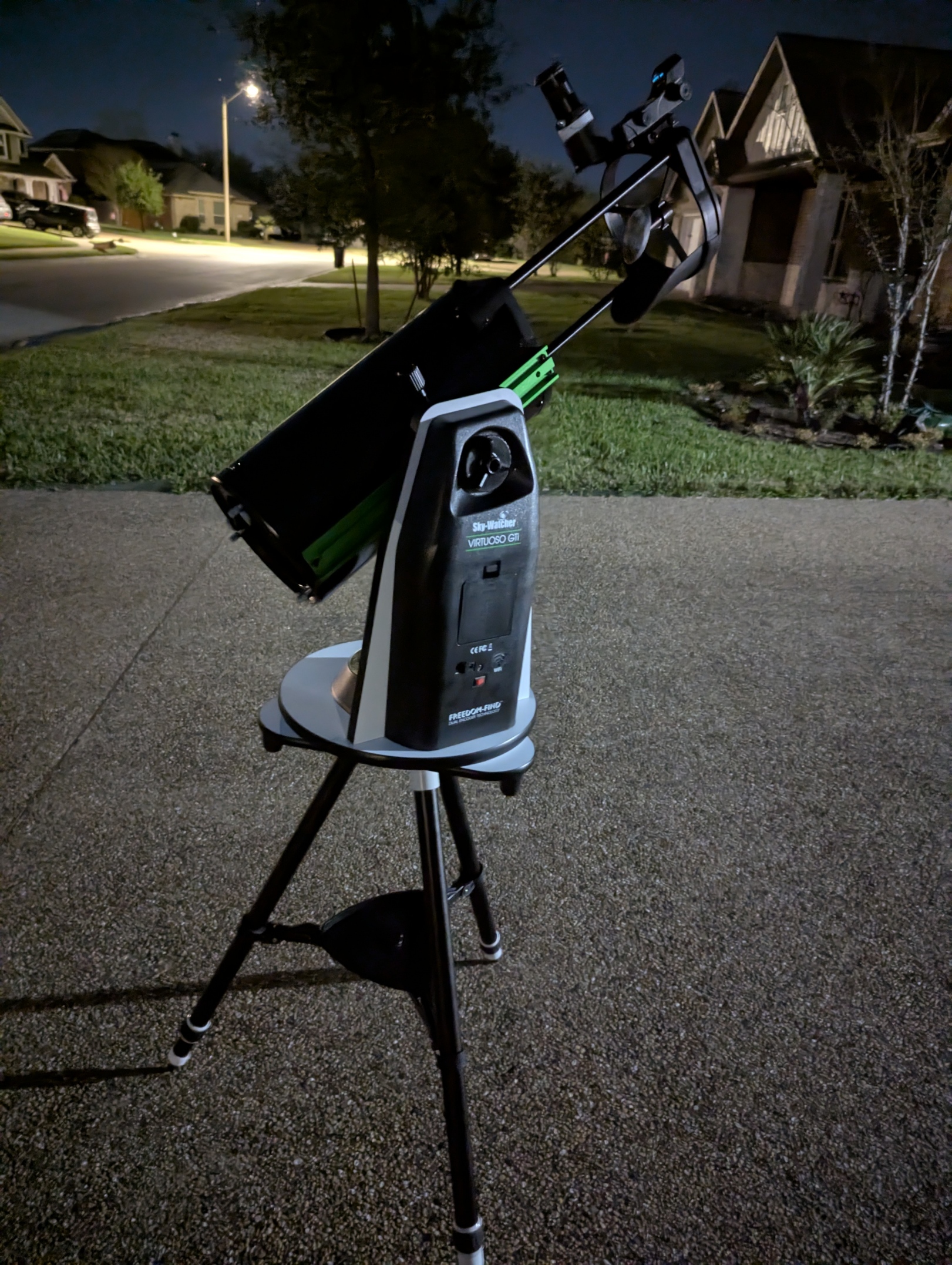
Sky-Watcher Virtuoso GTi 150P (R2Dob2)
The compact GoTo Dobsonian that goes where Anakin can't — overhead bins, crowded car trunks, and rainy outreach nights. Built for travel and ready to demo when the clouds win.
For years, my travel astronomy problem had a simple shape: I owned telescopes measured in feet, and airplanes measured carry-on luggage in inches. My 80mm achromatic refractor technically fit the bill — portable, light, and completely uninspiring. It was better than nothing, but only barely, and "better than nothing" is a discouraging standard when you're standing under genuinely dark skies for the first time in a year.
The Virtuoso GTi 150P solved the right problems. Six inches of aperture. Eighteen pounds. A collapsible tabletop design that fits into an airline carry-on bag. And GoTo tracking, meaning once I centered an object in the eyepiece, it stayed there — which, for outreach, is the difference between spending your night explaining the universe and spending your night chasing it. I named it R2Dob2: small, cylindrical, indispensable on a mission, and the kind of scope that makes a certain type of person unreasonably cheerful just by being present.
The indoor capability turned out to matter as much as the travel utility. Outreach events don't cancel gracefully. Clouds roll in without apology, and you're left with a room full of kids who came to see Jupiter. R2Dob2's open truss design makes it a natural teaching tool — you can point directly at the primary mirror, trace the light path to the secondary, and explain exactly why a reflector works differently than the refractor sitting next to it. That conversation, it turns out, is a perfectly good cloudy-night backup.
All that said, it is not Anakin. It doesn't have 12 inches of aperture nor the commanding presence that stops people in their tracks. But it goes where Anakin cannot go, and it shows things the 80mm refractor never could. For the family trip under dark skies, it's the scope going through security. For the outreach night that turns cloudy, it's the scope going on the table. It can't do everything, but the jobs it can do, it does well.
The Rest of My Gear
Not every piece of equipment gets its own origin story, but that doesn't make it less valuable. Below is everything else in my astronomy arsenal—the practical workhorses, reliable accessories, and useful tools that round out my observing setup. All affiliate links lead to gear I personally own and can vouch for.
Binoculars
 Simmons 10x50WA (Model 1107)
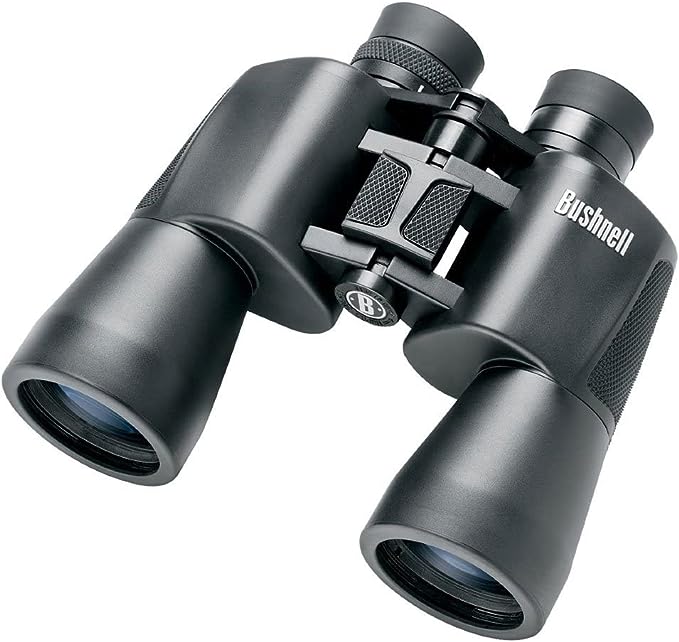 Bushnell Powerview 16x50
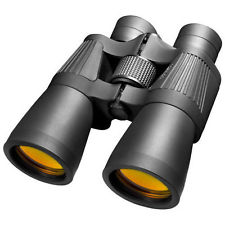 American Camper 10x70
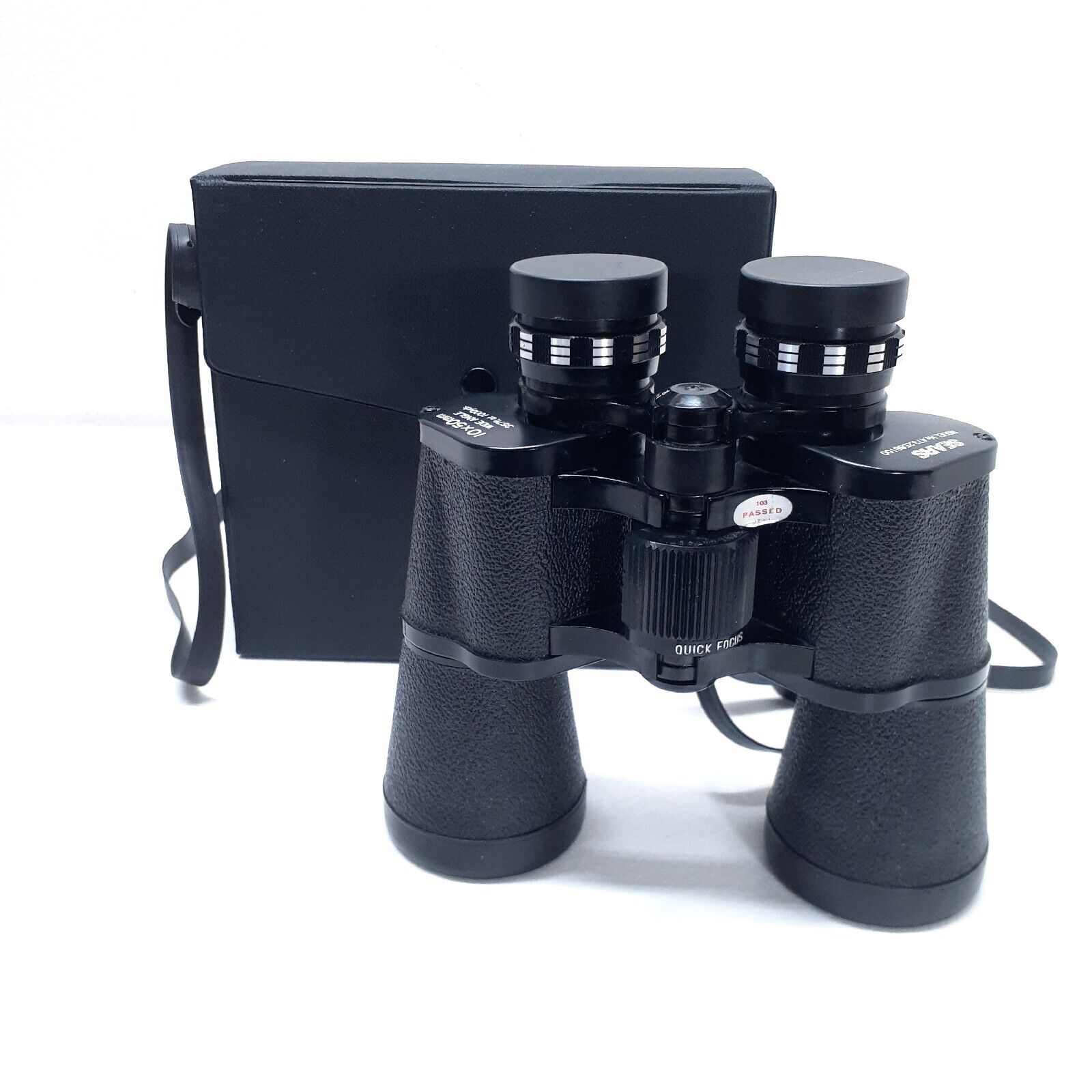 Sears 10x50WA
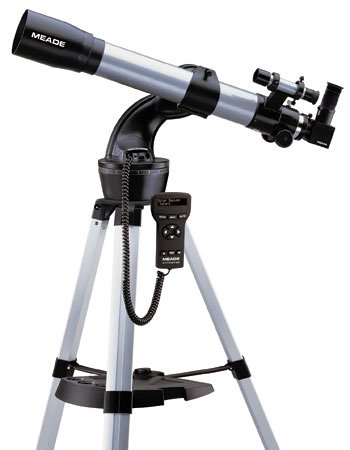 Meade DS-2080AT
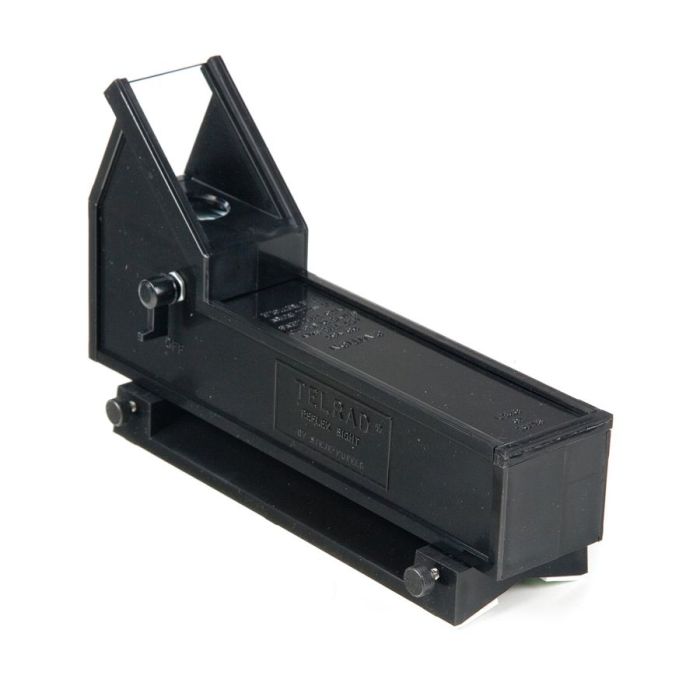 Telrad
 8x50 RACI
 Red Dot Finder
 Aluminum Eyepiece Case
Eyepieces
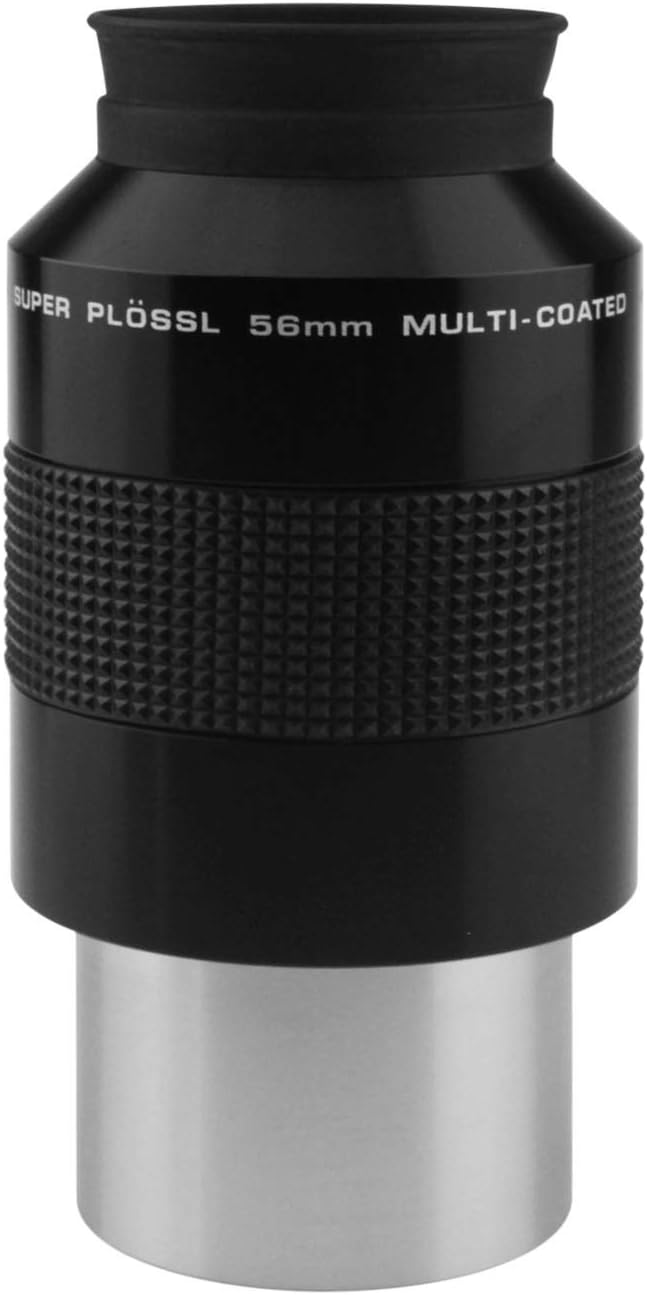 AstroMania 56mm Super Plössl
 30mm Zhumell 68° Erfle
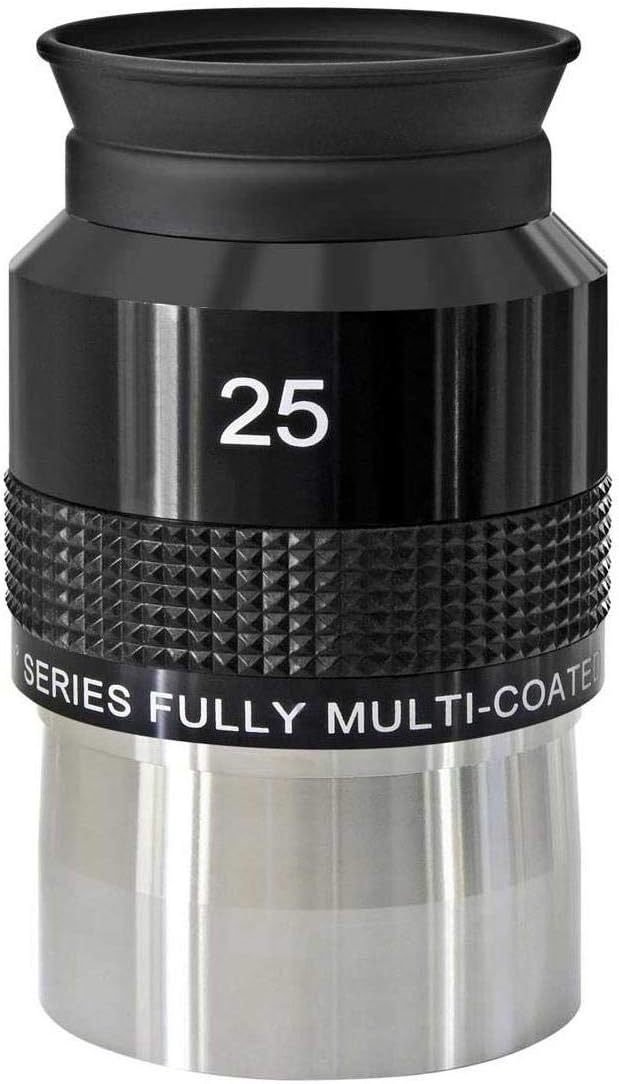 25mm Explore Scientific 70° Erfle
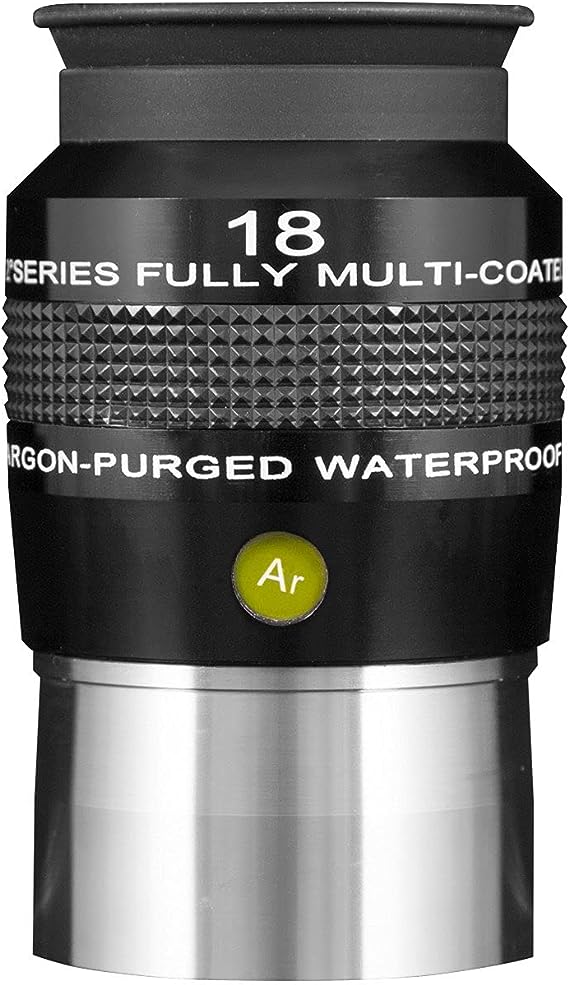 18mm Explore Scientific 82° Erfle
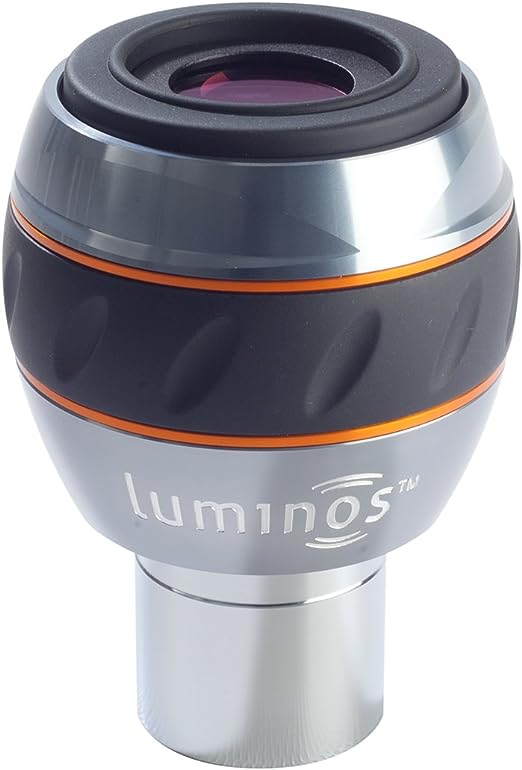 15mm Celestron Luminos 82° Erfle
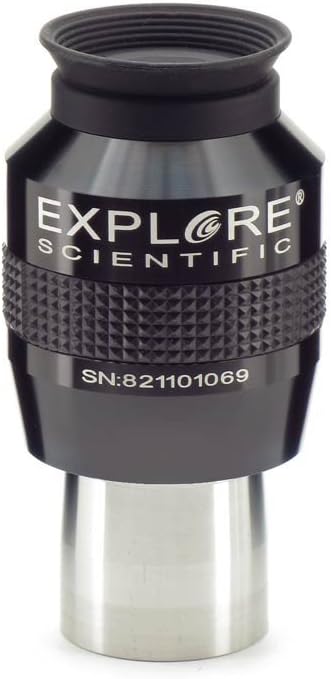 11mm Explore Scientific 82° Erfle
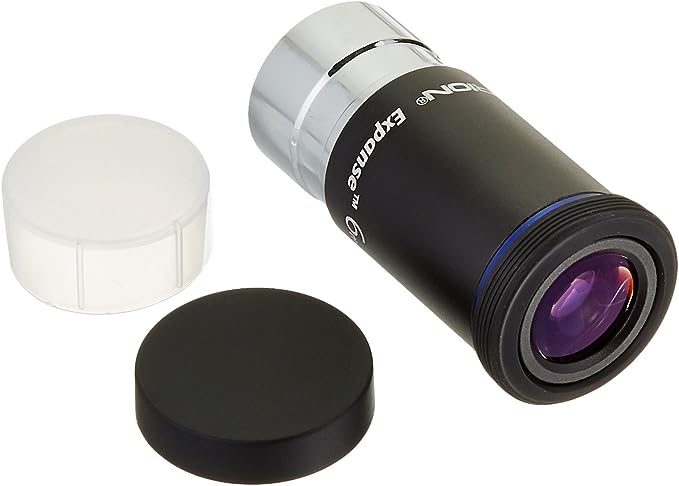 6mm Orion Expanse
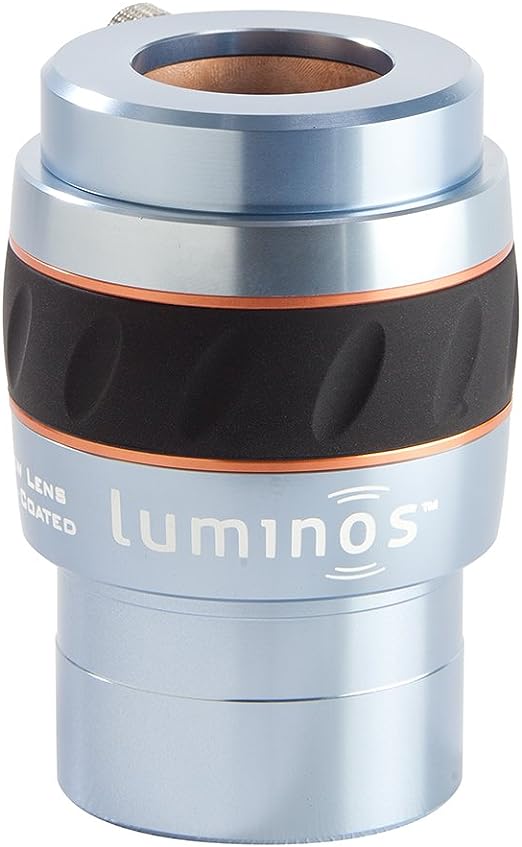 Celestron Luminos 2.5X Barlow
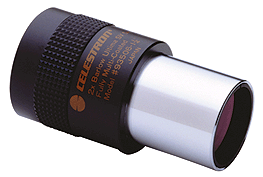 Celestron Ultima 2X Shorty Barlow
Filters
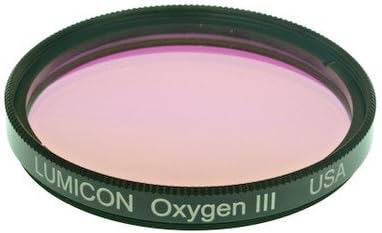 Lumicon O-III
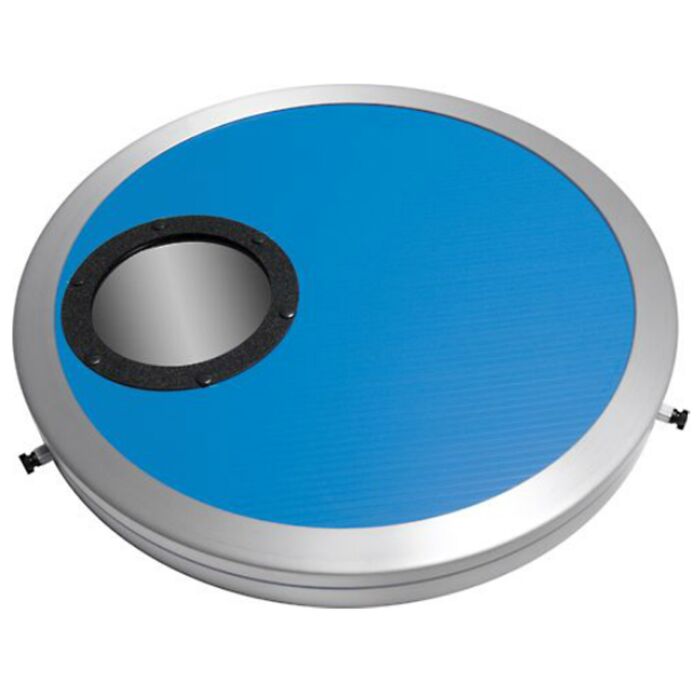 Orion Off-Axis Solar Filter
 Orion #25 Red
Orion #58 Green
Orion #80A Blue
Orion #15 Yellow
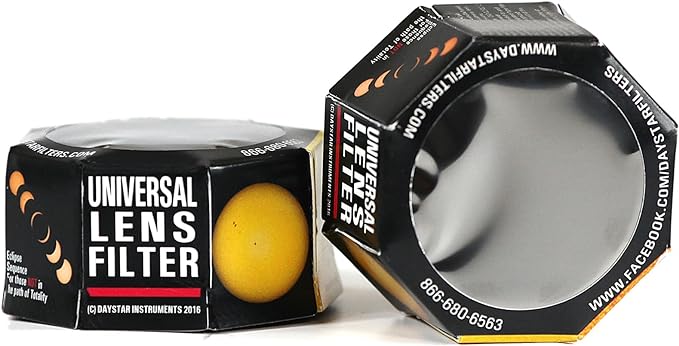 Daystar 50mm Binocular Solar Filters
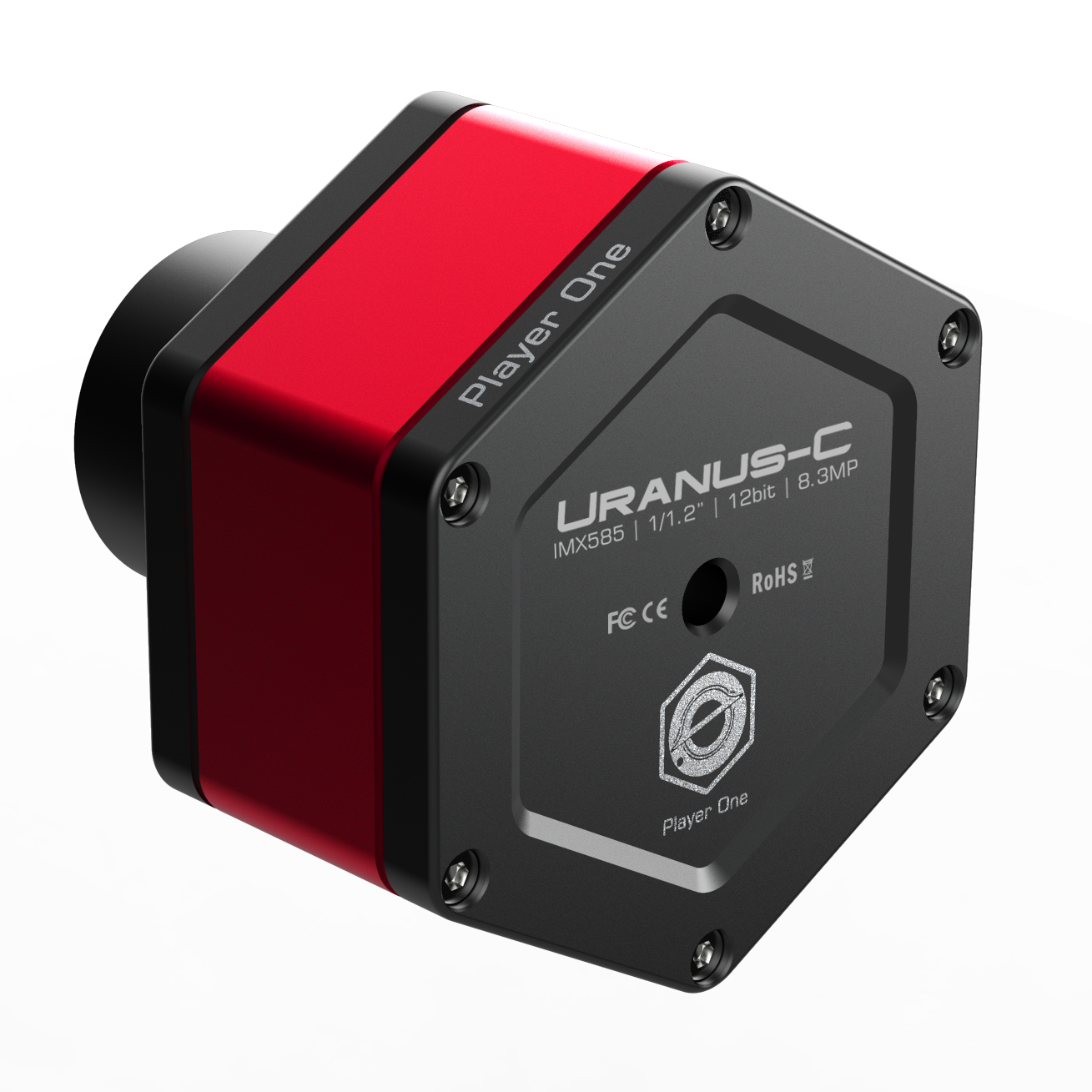 Player One Uranus-C
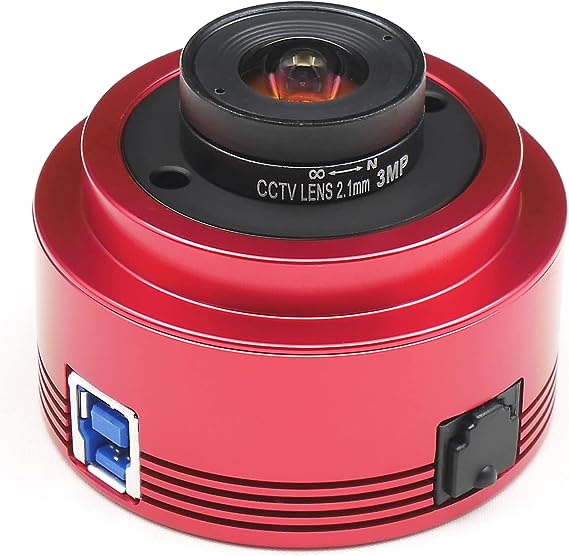 ZWO ASI224MC
 LG V60
Other Accessories
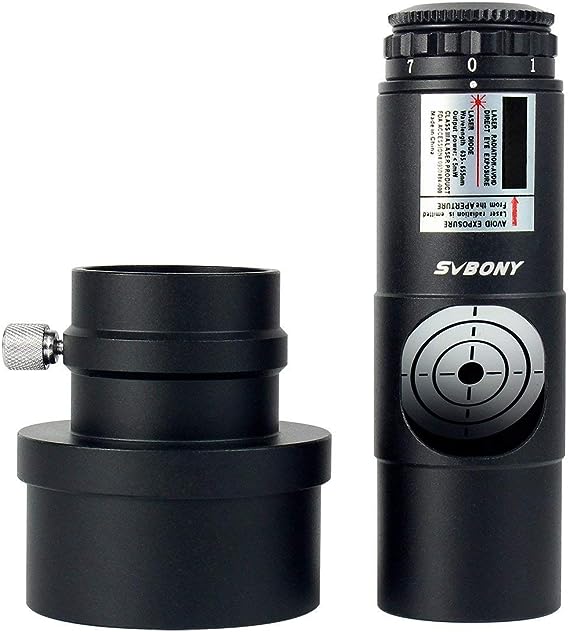 SVBONY Red Laser Collimator
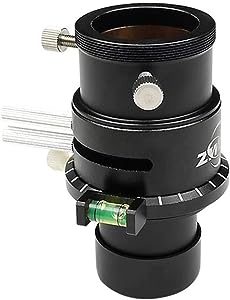 ZWO Atmospheric Dispersion Corrector
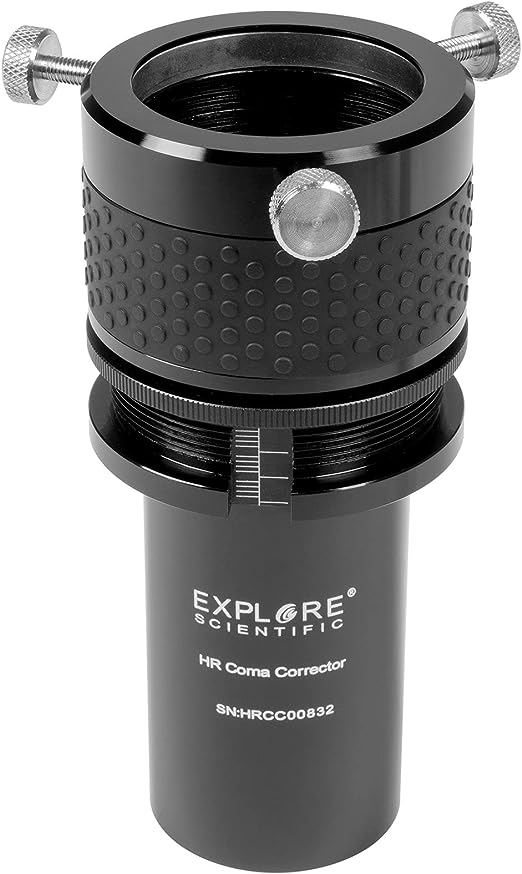 Explore Scientific HR Variable Coma Corrector
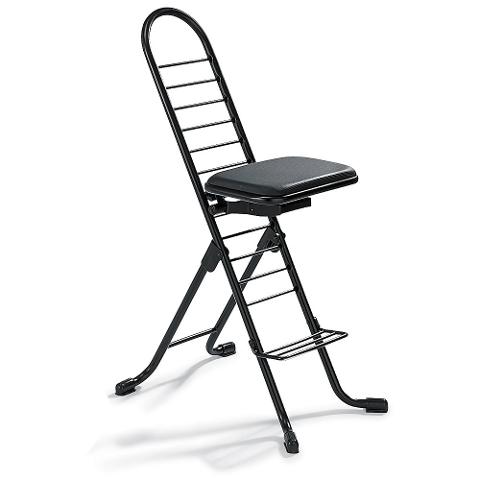 Vestil CPRO-600 Observing Chair
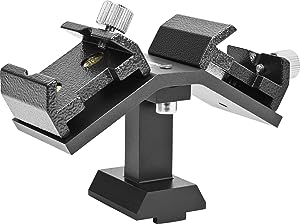 Orion Dual Finder Scope Mounting Bracket
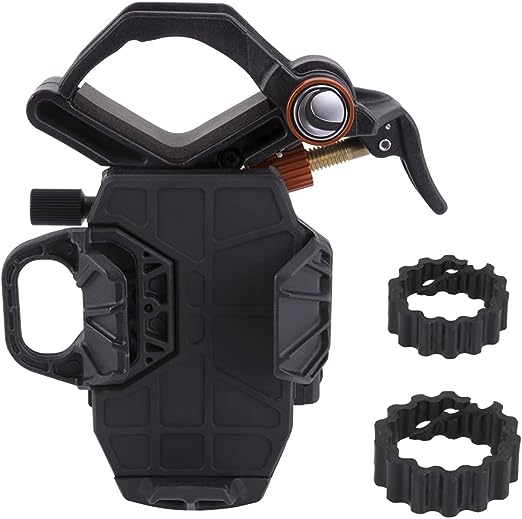 Celestron NexYZ 3-Axis Smartphone Adapter
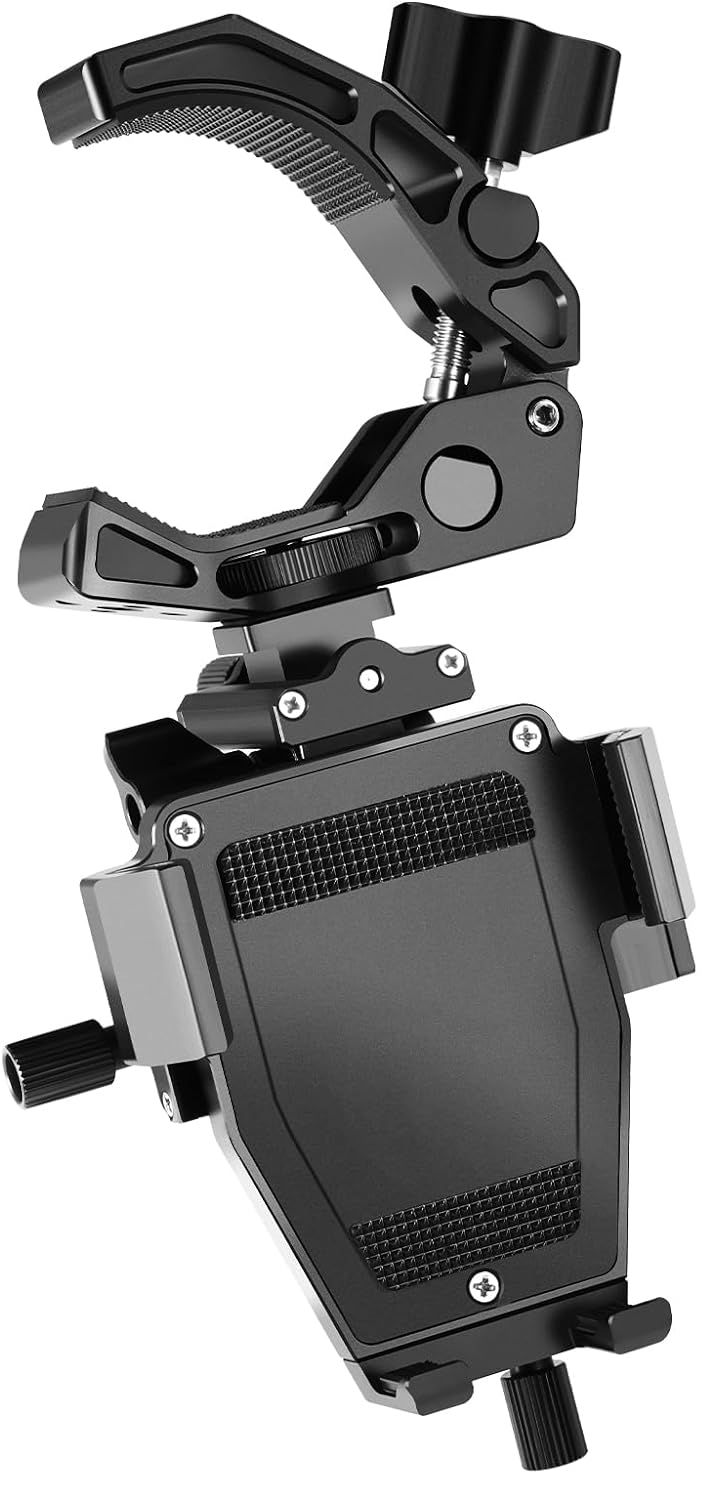 Neewer 3-Axis Smartphone Adapter
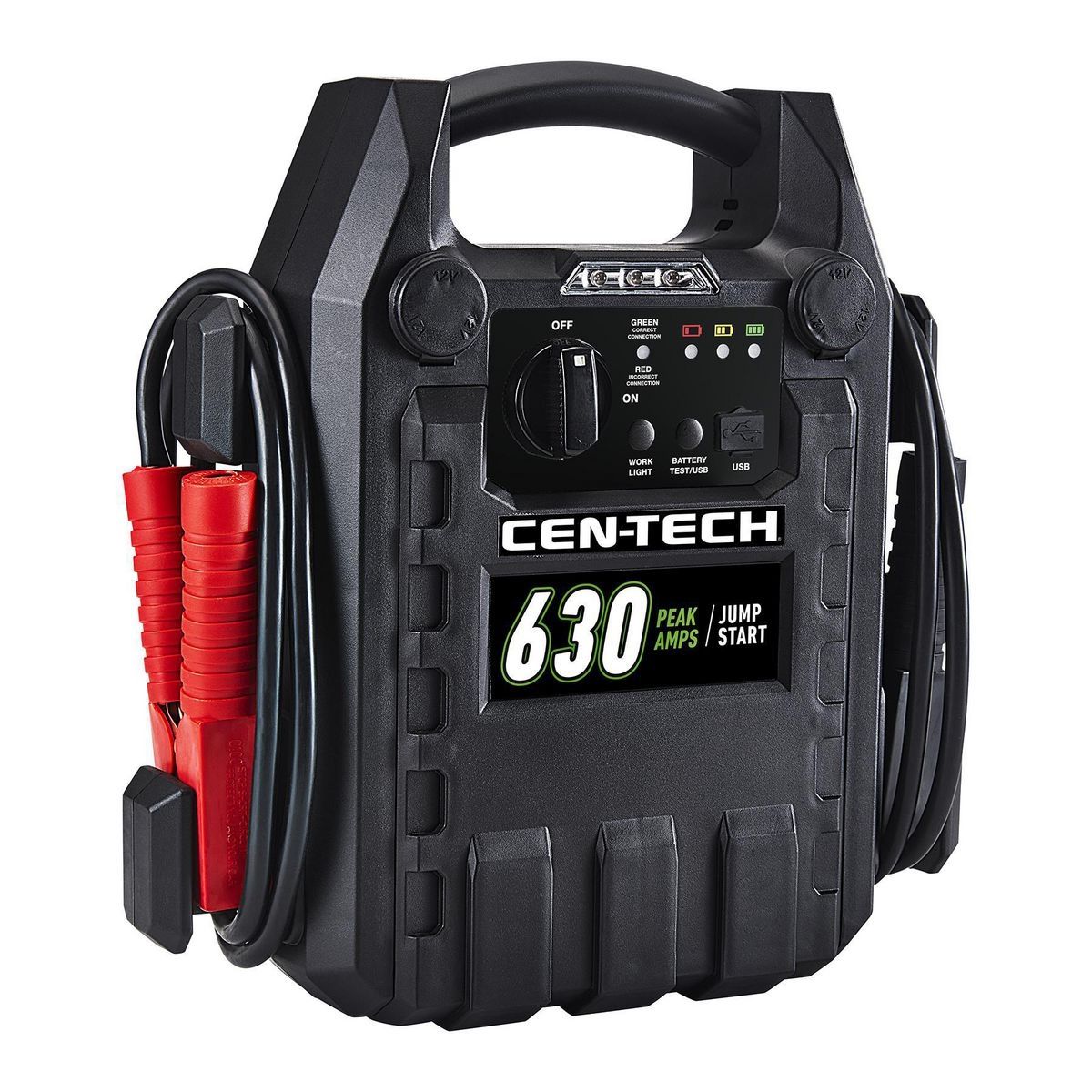 Cen-Tech 3-in-1 Power Pack
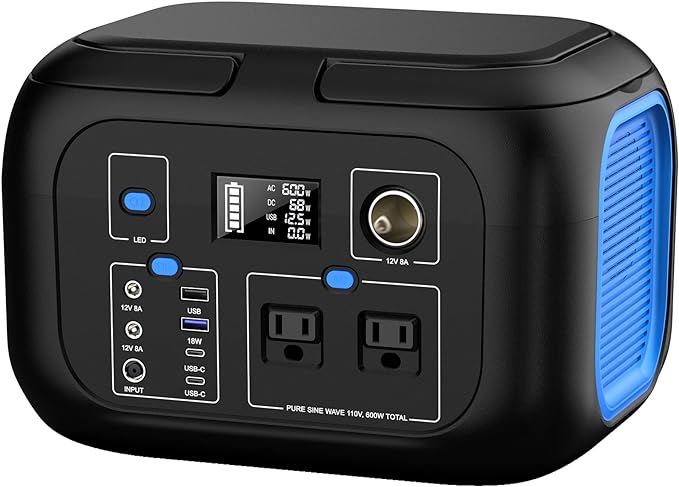 600W Portable Power Station
 TalentCell Rechargeable 12000mAh Power Bank
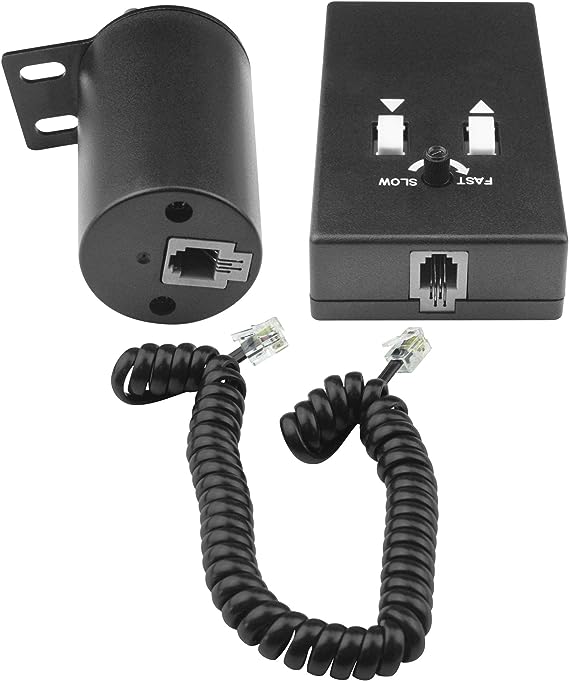 Electonic Focuser
Books
 Astronomy
 Astronomy Demystified
 Astronomy Hacks
 Astronomy Methods
 A Brief History of Time
 Burnham's Celestial Handbook (Vols. 1-3)
 Constellations for Every Kid
 The Cosmos
 Deep Sky Observing
 Discovering the Essential Universe
 The Essential Cosmic Perspective
 Explorations
 Galaxies
 Great Ideas for Teaching Astronomy
 Hubble - Legacy Edition
 The Interstellar Age
 Machina Mundi
 TIME New Frontiers of Space
 The New Patterns in the Sky
 Observing the Universe
 Pathways to Astronomy (2nd Ed.)
 Peterson Field Guide: Stars & Planets (2nd Ed.)
 The Picture History of Astronomy (Rev. Ed.)
 Pocket Sky Atlas
 Practical Astronomy
 Seven Wonders of the Universe That You Probably Took for Granted
 Spaceflight
 Star Ware
 Stories of the Constellations
 Strange Universe
 A Traveler's Guide to Mars
 Understanding Space Weather and the Physics Behind It
 Universe (6th Ed.)
 Webb Society Deep-Sky Observer's Handbook (Vols. 2,4-6)
 You Are Here